
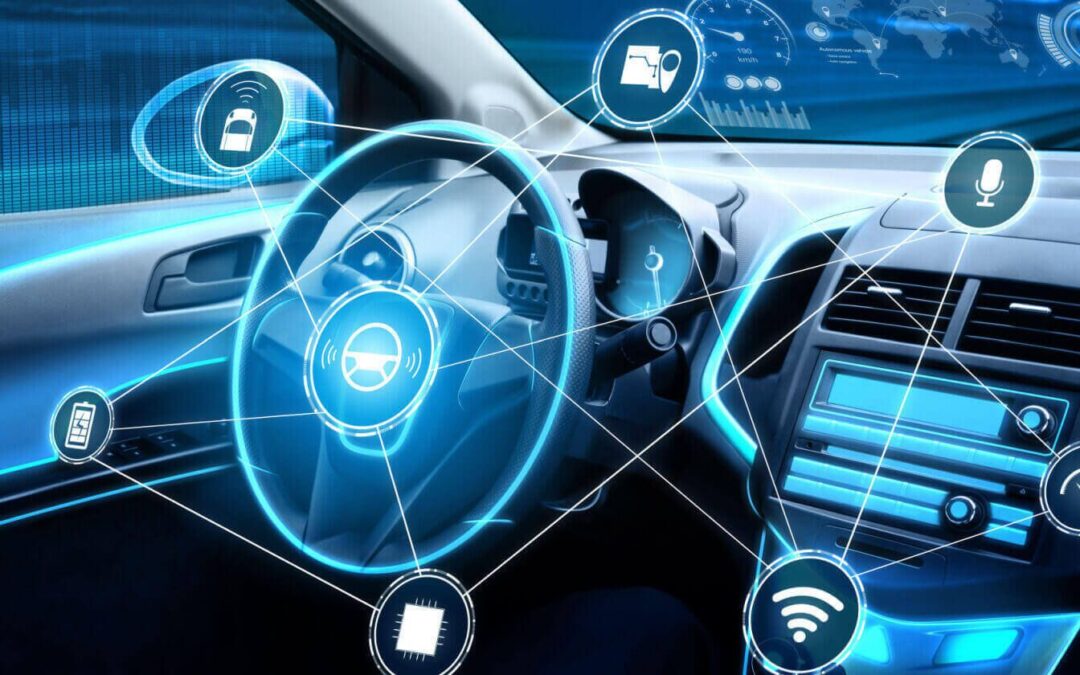
Advanced Driver-Assistance Systems (ADAS): Enhancing the Driving Experience
Advanced Driver-Assistance Systems, or ADAS, are transforming the way we drive, blending cutting-edge technology with practical solutions to make vehicles safer, more convenient, and more efficient. These systems rely on highly developed sensory tools to monitor the environment around the vehicle, offering drivers an additional layer of support. Their primary purpose? To reduce accidents, mitigate human error, and enhance overall driving pleasure.
ADAS can be categorised into three main types based on the systems that power them: camera, radar/lidar, and ultrasound technologies. Each technology plays a specific role in enhancing the driving experience, with features tailored to certain driving scenarios. Let's explore these three systems in detail and uncover how they’re shaping the future of transportation.
The Three Pillars of ADAS Technology
1. Camera-Based Systems
Camera-based systems are among the most visible aspects of ADAS, literally. They use visual sensors placed around the vehicle, often near the windshield or side mirrors, to capture real-time footage of the car's surroundings. Equipped with advanced image processing software, these systems are vital for detecting lanes, identifying objects, and reading traffic signs.
Key Features Enabled by Camera Systems:
- Lane-Keeping Assist (LKA): Cameras detect lane markings on the road and alert drivers if the vehicle begins to drift. Some systems take it a step further, actively steering the car back into the lane when necessary.
- Traffic Sign Recognition (TSR): This feature scans traffic signs and displays critical information like speed limits on the dashboard or heads-up display.
- Pedestrian Detection: Cameras identify pedestrians in the vehicle's path and, in some cases, work with automatic braking systems to avoid collisions.
By providing high-resolution imagery of the road, camera-based systems add a critical layer of awareness for drivers. Their ability to process fine details, such as differentiating between road signs, makes them an essential element of modern ADAS technology.
2. Radar and Lidar Systems
Radar (Radio Detection and Ranging) and Lidar (Light Detection and Ranging) systems are the workhorses of ADAS when it comes to measuring distance and speed. Radar uses radio waves, while lidar employs laser pulses to gather precise 3D data about objects near the vehicle. These systems excel in detecting objects over long distances and under various visibility conditions, such as fog or low light.
Key Features Enabled by Radar/Lidar Systems:
- Adaptive Cruise Control (ACC): Radar tracks the speed and distance of vehicles ahead, enabling the car to maintain a safe following distance by adjusting its speed automatically.
- Collision Avoidance Systems (CAS): By constantly monitoring the road ahead and around the vehicle, these systems provide critical alerts and can autonomously apply brakes or change course to avoid an obstacle.
- Blind Spot Monitoring: Radar sensors located on the vehicle's rear or sides check for other cars in blind spots, reducing the risk of side collisions during lane changes.
Radar and lidar systems work best in dynamic driving scenarios, such as highways, by offering robust and reliable distance measurement capabilities. Their precision makes them indispensable for ensuring driving safety and efficiency.
3. Ultrasound-Based Systems
Ultrasound technology may not receive the same attention as cameras or radar, but it plays a crucial role, especially during low-speed manoeuvres. These systems use sound waves to detect objects nearby, like obstacles during parking or tight turns.
Key Features Enabled by Ultrasound Systems:
- Parking Assistance: Ultrasound sensors located in bumpers help drivers gauge distance to objects while parking, often providing audio and visual alerts. Some systems even automate parallel or reverse parking manoeuvres entirely.
- Rear Cross-Traffic Alert: While backing out of parking spaces, sensors scan for oncoming vehicles or pedestrians and issue warnings to prevent accidents.
- Proximity Detection: When manoeuvering in tight spaces, ultrasound helps identify obstacles that may not be visible through mirrors or cameras.
Ultrasound-based features are often found in urban settings, where precision and spatial awareness are critical for avoiding minor accidents.
The Benefits of ADAS
Now that we’ve examined the core technologies behind ADAS, it’s essential to highlight their broader benefits. These systems are not just about convenience, they address key safety and efficiency challenges in modern driving.
1. Enhanced Safety
The primary goal of ADAS is to minimise accidents by reducing human error, which accounts for nearly 94% of all traffic incidents. Technologies like automatic emergency braking, blind-spot monitoring, and pedestrian detection work together to create a safer environment for everyone on the road.
2. Greater Convenience
From automated parking to lane-keeping assist, ADAS lightens the cognitive load on drivers. These systems allow drivers to focus on the road without being overwhelmed by the constant flow of information and decision-making.
3. Increased Efficiency
By optimising behaviours such as braking, accelerating, and maintaining lane positions, ADAS improves fuel efficiency and traffic flow. On larger scales, features like adaptive cruise control can contribute to reducing congestion.
ADAS and the Future of Driving
ADAS marks a significant step toward fully autonomous vehicles, bridging the gap between driver control and machine-driven intelligence. With continuous advances in AI and sensor technologies, we can expect ADAS to become even more sophisticated. For example, tomorrow’s systems might include enhanced predictive capabilities, allowing vehicles to anticipate hazards before they develop.
Automakers are also integrating ADAS with Vehicle-to-Everything (V2X) communication, enabling cars to exchange critical data with other vehicles and infrastructure. This creates a connected transportation ecosystem that improves not only individual safety but also traffic management on a macro level.
Advanced Driver-Assistance Systems are redefining how we approach driving, blending human intuition with machine precision. By leveraging camera, radar/lidar, and ultrasound technologies, ADAS provides robust solutions that enhance safety, improve comfort, and contribute to a smarter transportation future. Whether you’re navigating a busy urban street or cruising along a highway, these systems are lighting the path to a safer, more efficient driving experience, for everyone on the road.
The evolution of ADAS showcases a clear vision of the future of mobility, one where advanced technology works seamlessly alongside drivers to make accidents rarer, journeys smoother, and driving smarter than ever before.