
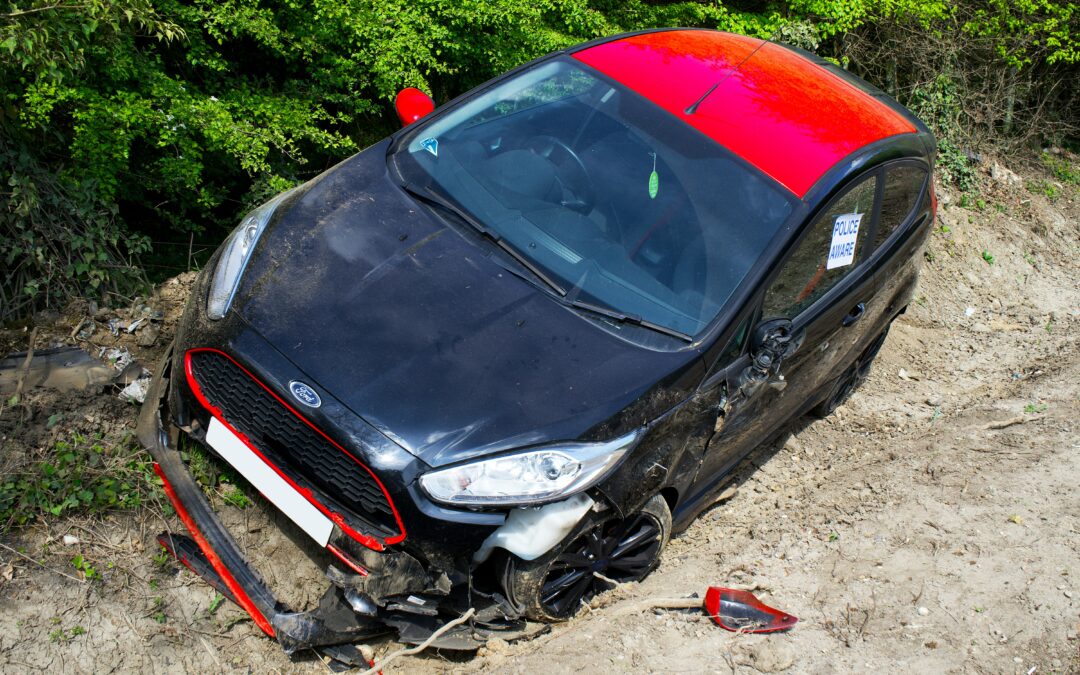
After an accident, whether it’s a minor fender bender or a more serious collision, filing an insurance claim or determining liability might be necessary. Taking the right steps immediately at the scene can make the entire process smoother and less stressful. Here’s a detailed guide on what to do:
1. Gather Vehicle Information
Make sure to record the registration number, make, and model of all vehicles involved in the accident. If possible, note the color and specific details of the vehicles, such as visible modifications or distinguishing features, as they may be helpful later.
2. Collect Driver and Witness Details
Exchange contact information with all drivers involved, including their full names, phone numbers, and addresses. If there are any witnesses to the accident, ask for their contact information as well, as unbiased witness statements can be crucial in confirming fault. Don’t forget to ask if the driver of a vehicle is also the registered owner. If they are not, make an effort to collect the owner’s information, as this may be needed for insurance purposes.
3. Document Insurance Information
Ask each driver involved for the name of their insurance provider and their policy number. This will be critical when filing your claim. If any driver lacks valid insurance, this must be reported to the police as it is often a legal requirement. It’s also worth noting if any insurance cards appear to be expired or invalid and informing your insurer about this detail.
4. Note Accident Details
Carefully record the exact date, time, and location of the accident. Be as specific as possible when describing the surroundings, such as the name of the street, nearby intersections, or identifiable landmarks. Take note of the weather conditions at the time, including whether it was sunny, raining, foggy, or snowing, as well as the state of the road (e.g., dry, wet, icy, or covered in debris). Insurers often consider these factors when determining liability.
5. Capture Images and Videos
Photographs and videos can be some of the most valuable evidence in an accident claim. If it is safe to do so, take clear photos of the vehicle damage from multiple angles, ensuring you capture both close-up and wide shots. Document the accident scene, noting traffic patterns, road markings, skid marks, or any objects that may have contributed to the accident, such as potholes or obstructions. If you have a dashcam, review the footage and provide it to your insurer as it can often clarify the events leading up to the collision.
6. File a Police Report (if required)
In some cases, particularly if there are injuries, significant damage, or disputes about fault, it may be necessary to involve the police. Filing a report at the scene can provide an unbiased account of the incident, which might be valuable for both insurers and legal purposes later on.
7. Seek Medical Attention (if needed)
Even if you feel fine after the accident, it’s important to get checked by a medical professional. Some injuries, like whiplash, may not be immediately obvious. A medical report can also serve as evidence if you need to include injury claims in your insurance.
Following these steps will not only help you manage the aftermath of an accident more effectively but also ensure you have all the essential information needed to file your insurance claim and determine liability. Being thorough and prepared can save you time and avoid complications during the claims process.
However, it’s important to remember that you have the right to select any repairer you choose for your vehicle. While insurers may attempt to steer you toward their approved repairers, you are not obligated to follow their recommendation. In fact, in some cases, a simple phone call or discussion with your insurer can lead to the removal of this additional charge, especially if you can demonstrate that your chosen repairer offers a high standard of work.
That said, not all insurers are willing to negotiate, and this can leave many customers frustrated and out of pocket. For more challenging situations, we offer a range of excess support options to help reduce the total cost of your claim and make the process as smooth as possible.
At D&M Coachworks, we believe this practice is unfair, particularly because many approved or preferred repairers are often allowed to use second-hand or non-genuine parts in their repairs, which may compromise the quality of the work. We take a different approach by using only brand-new, genuine parts for all repairs, ensuring your vehicle is restored to the highest standard. Additionally, we offer an excess support package to assist our customers, which in many cases may eliminate the need to pay the non-approved repairer excess altogether.
If you’re planning to make an insurance claim or are unsure about your rights when choosing a repairer, don’t hesitate to get in touch with us. We’re here to help, guide you through the process, and ensure you receive the best possible service without any unnecessary costs or compromises. Let us take the stress out of your repair process and get you back on the road with confidence..